installare timezone converter gratis!
Premere il pulsante copia e incolla nel tuo blog o sito web.
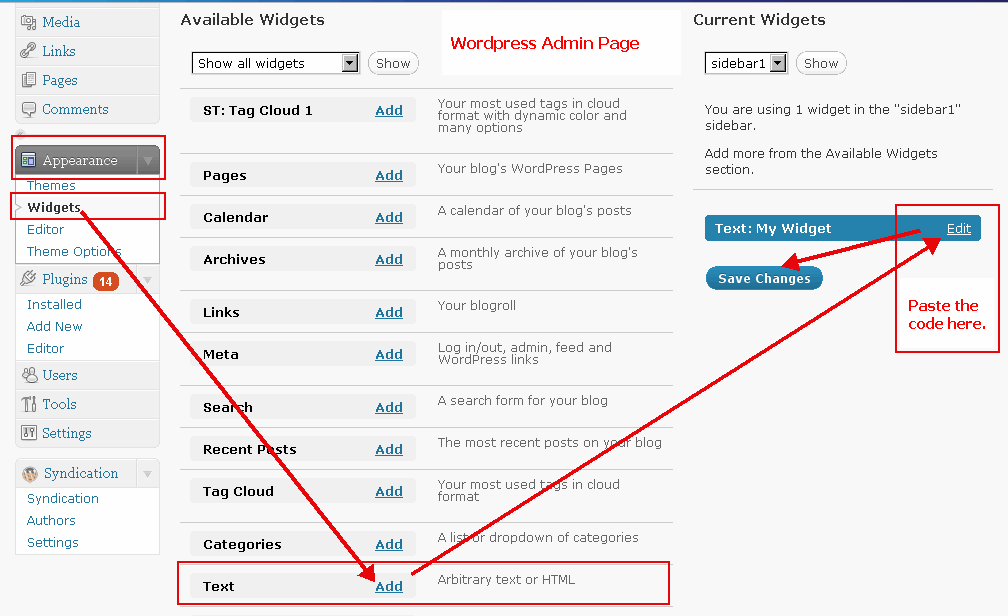
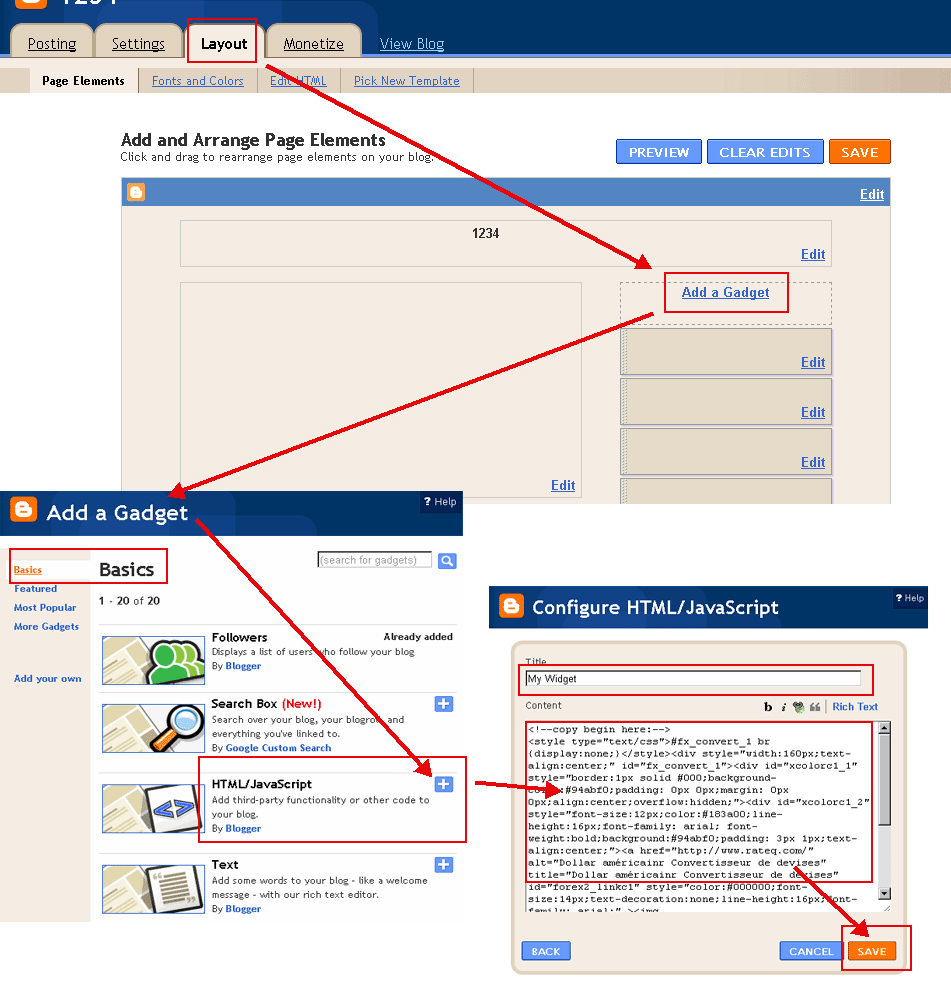
(Si prega di passare alla modalità HTML durante la pubblicazione nel tuo blog. Esempi: WordPress Esempio, Blogger Esempio)
Precise meaning of Last N days, weeks, months or years Today is Monday Last week is strictly the period of seven days ending at midnight on Sunday and the last two weeks is strictly the period of fourteen days ending at midnight on Sunday No one would refer to anything occurring today, yesterday or the day before as taking place last week or in the last two weeks I wouldn't worry about it
Is there such a thing as a proper verb, like a proper noun? Unlike common nouns, proper names are already definite Yes, today's Hyde Park may be different from yesterday's, but such applications have special meaning Common and proper nouns differ grammatically Spelling is immaterial
When is an event so old that the phrase the other day no longer . . . I usually say that something happened "the other day" when it was the day before yesterday, or possibly a few days ago In fact, I even feel that I may be misleading in describing an event that happened, say, 4 days ago as occurring "the other day " My personal limit is a few days, maybe a week if you're stretching it
Understanding as of, as at, and as from Collins concurs: up to, on, or from (a specified time) Most dictionaries give the first two senses as listed by Wikipedia, but Garner [A Dictionary of Modern Legal Usage; Bryan A Garner] disagrees: But as of now does not mean 'at present'; rather it means 'up to the present time' [It] is today totally unobjectionable in AmE
Is it tomorrow after midnight? Or is it still today? the day after today and today is on or in the course of this present day and day is a period of twenty-four hours as a unit of time, reckoned from one midnight to the next, corresponding to a rotation of the earth on its axis (all quotes taken from the google com dictionary)
 Calendario