installare timezone converter gratis!
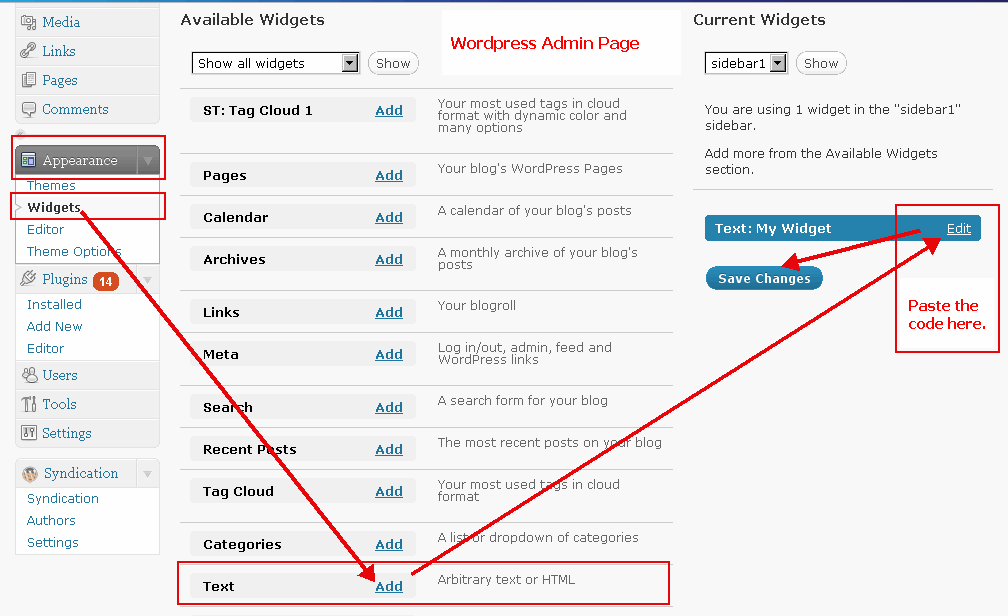
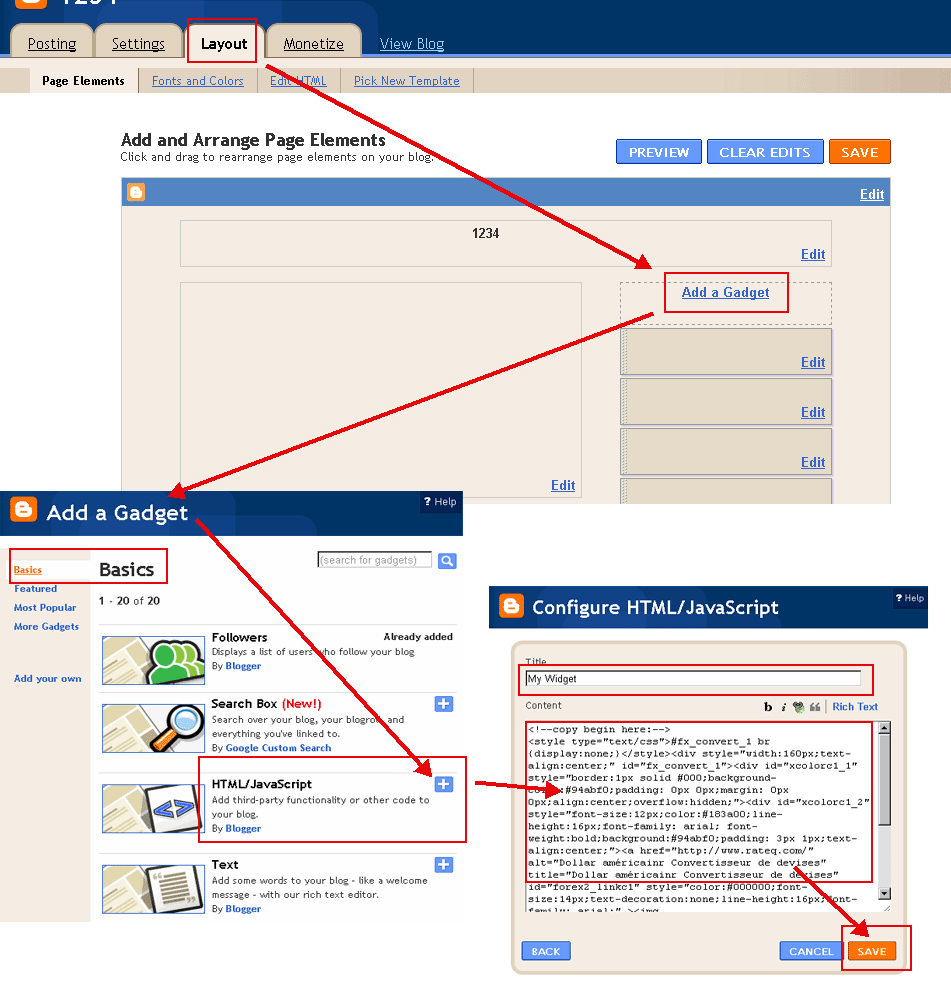
Premere il pulsante copia e incolla nel tuo blog o sito web.
(Si prega di passare alla modalità HTML durante la pubblicazione nel tuo blog. Esempi: WordPress Esempio, Blogger Esempio)
Kabul - Wikipedia Located at a crossroads in Asia —roughly halfway between Istanbul, in the west and Hanoi, in the east—the city is situated in a strategic location along the trade routes of Central Asia and South Asia
Kabul | History, Culture, Map, Facts | Britannica Kabul, city, capital of the province of Kabul and of Afghanistan It is the largest urban center in the country and also its political and economic hub It is located along strategic trade routes and served as the first capital of the Mughal Empire under Babur
Kabul Province - Wikipedia The Taliban abandoned Kabul and the United Front came to take control of the city In December 2001 Kabul became the capital of the Afghan Transitional Administration, which transformed to the present Government of Afghanistan that is led by President Hamid Karzai
8 Best Places to Visit in Kabul, Afghanistan - Laure Wanders If you’re planning on visiting Kabul, the capital of Afghanistan, you have come to the right place This post features the best places to visit in Kabul as well as everything you need to know if you’re planning on visiting this vibrant city
Kabul, Afghanistan - WorldAtlas Kabul is the capital and largest city of Afghanistan It is located in the eastern part of the country, in a narrow valley that is situated between the Hindu Kush Mountains This location has been historically strategic, as it is the crossroads between Western Asia and Eastern Asia
Kabul: Capital of Afghanistan Facts and History What is Kabul? Kabul is the capital of Afghanistan and the country’s largest urban center It sits in a high valley on the Kabul River and has served as Afghanistan’s capital since 1776, which is why it remains the country’s main political and historical reference point
Kabul – Travel guide at Wikivoyage While the origin of Kabul is unknown, archaeological evidence shows settlement around the 6th century BCE and substantial defensive works dating from at least the 2nd century BCE
 Calendario