installare timezone converter gratis!
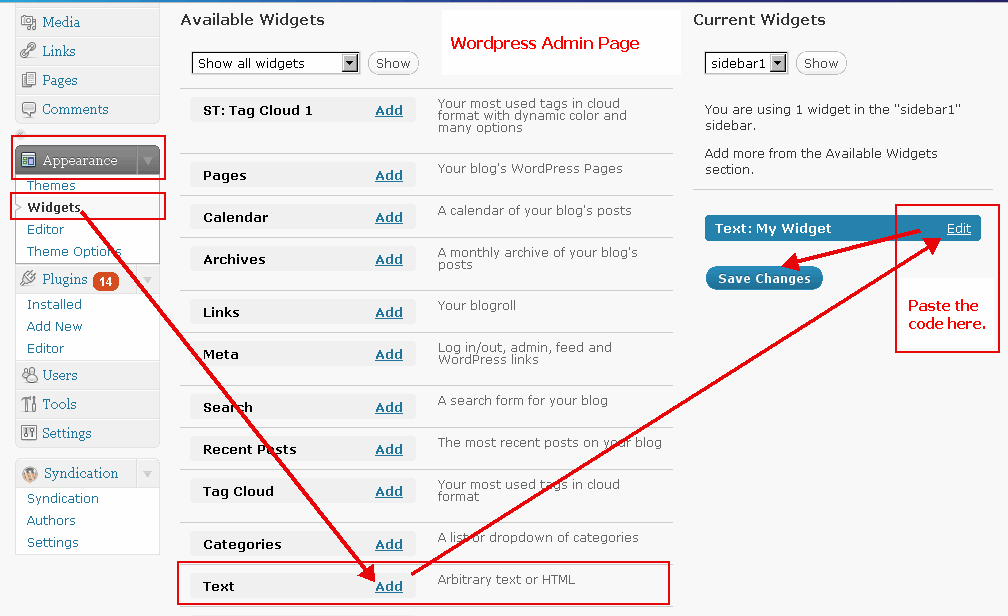
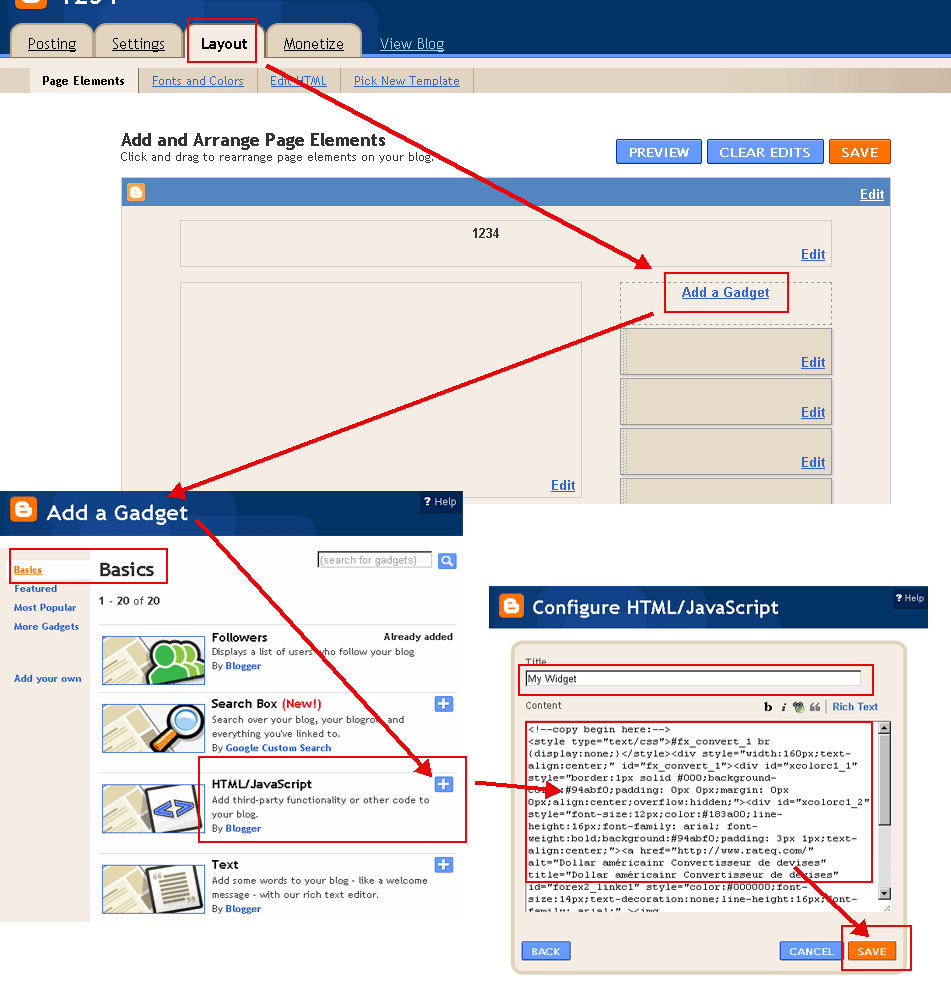
Premere il pulsante copia e incolla nel tuo blog o sito web.
(Si prega di passare alla modalità HTML durante la pubblicazione nel tuo blog. Esempi: WordPress Esempio, Blogger Esempio)
Beirut - Wikipedia As of 2025, Greater Beirut has a population of 2 4 million, just under half of Lebanon's population, [5] which makes it the twelfth-largest city in the Levant region and the sixteenth-largest in the Arab world The city is situated on a peninsula at the midpoint of Lebanon's Mediterranean coast
Beirut | History, Population, Religion, Tourism | Britannica Beirut, capital, chief port, and largest city of Lebanon It is located on the Mediterranean coast at the foot of the Lebanon Mountains It served as an economic, social, intellectual, and cultural hub of the Arab Middle East until 1975, when the city was ravaged by the country’s 15-year civil war
History of Beirut - Wikipedia The earliest settlement of Beirut was on an island in the Beirut River, but the channel that separated it from the banks silted up and the island ceased to be Excavations in the downtown area have unearthed layers of Phoenician, Hellenistic, Roman, Byzantine, Arab, Crusader, and Ottoman remains
Beirut, Lebanon: All You Must Know Before You Go (2026) - Tripadvisor Often called "Paris of the Middle East", Beirut is a thriving hotspot for shopping, socializing and sightseeing, despite many wars and unrest The city has been rebuilt several times, with modern architecture sharing space with Ottoman and colonial French buildings
Top 15 Things to Do in Beirut, Lebanon - Beirut Attractions See what other travelers like to do, based on ratings and number of bookings Book these experiences for a close-up look at Beirut From quick jaunts to full-day outings These rankings are informed by Tripadvisor data —we consider traveler reviews, ratings, number of page views, and user location 1 Zaitunay Bay
Beirut - Mediterranean, Capital, Reconstruction | Britannica Beirut was occupied by the Allies at the end of World War I, and the city was established by the French mandatory authorities in 1920 as the capital of the State of Greater Lebanon, which in 1926 became the Lebanese Republic
 Calendario